
Why the “Experience Economy” Is Overrated (And What’s Actually Next)
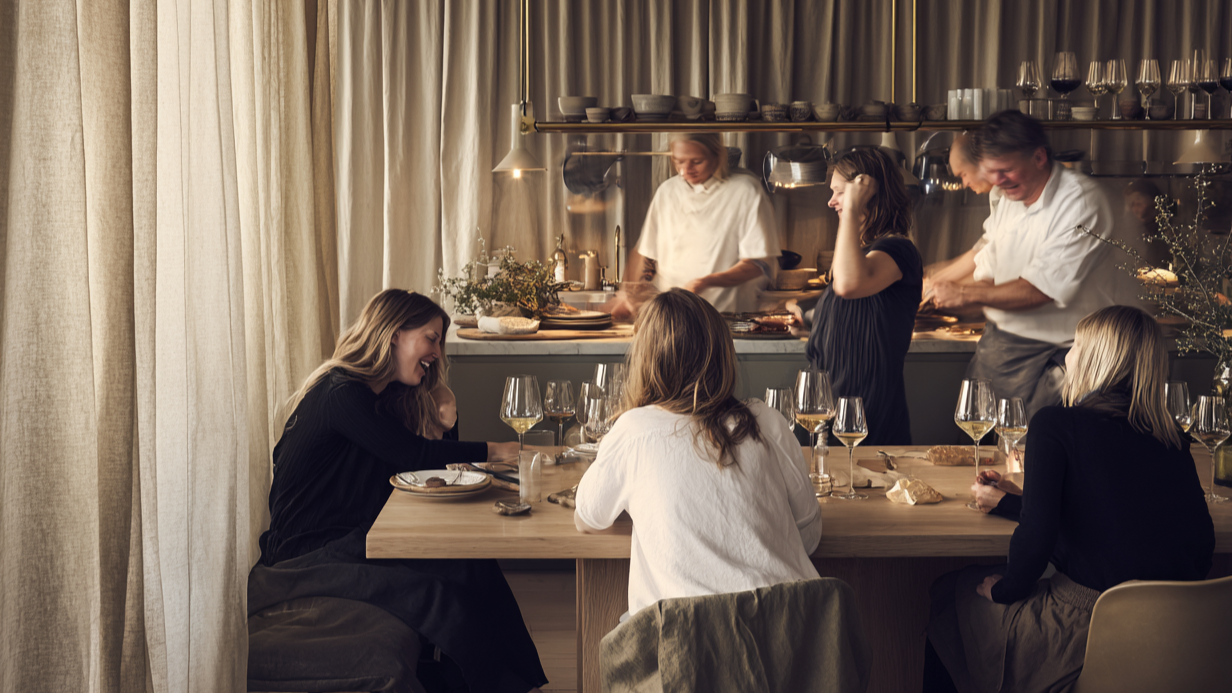
The table isn’t a stage - it’s a feeling shared in real time.
For years, our industry has been obsessed with the experience economy. Every hotel, café, and retail space suddenly became a “destination.” The phrase immersive experience is now so overused it’s almost meaningless.
We work with hotel and lifestyle brand owners who are genuinely trying to create magic for their guests - but here’s the truth we tell them (and it usually raises eyebrows):
You don’t need to create an experience.
You need to create meaning.
Experiences fade. Meaning lingers.
The problem with the current “experience-first” mindset is that it’s built around moments, not memories. Most hospitality brands chase sensory overload - the Instagram wall, the signature scent, the playlist designed by a DJ from Berlin. And yet, six months later, guests can’t even recall the name of the hotel.
The brands that win in the next decade will be the ones that understand why people seek belonging, beauty, and rhythm - not just where they find it.
Meaning-driven design is quieter, slower, and far more powerful:
It’s the morning ritual that becomes someone’s anchor when they travel.
It’s the scent that reminds them of who they were when they stayed there.
It’s the way a lobby feels like a pause - not a photo op.
The truth is, people aren’t craving “experiences.” They’re craving coherence.
A world that makes sense, even if it’s just for a night.
That means:
Less obsession with novelty, more focus on narrative.
Less “activations,” more art direction of feeling.
Less design theatre, more design therapy.
We call this approach Emotive Commerce - building spatial and brand ecosystems that move people not because they’re loud, but because they’re honest.
Let’s take Ett Hem in Stockholm as an example. It doesn’t sell “experiences.” It sells belonging.
There’s no lobby activation or guest performance - just perfectly tuned domestic ritual. You’re not a visitor there; you’re a participant in someone’s rhythm.
The lighting, the scent, the pacing - it’s not an “immersive experience,” it’s emotional coherence.
That’s exactly the shift. People remember spaces that hold emotional rhythm, not sensory noise. Ett Hem succeeds not because it’s loud, but because it’s legible to the soul.
Meaning over experience. Rhythm over spectacle.
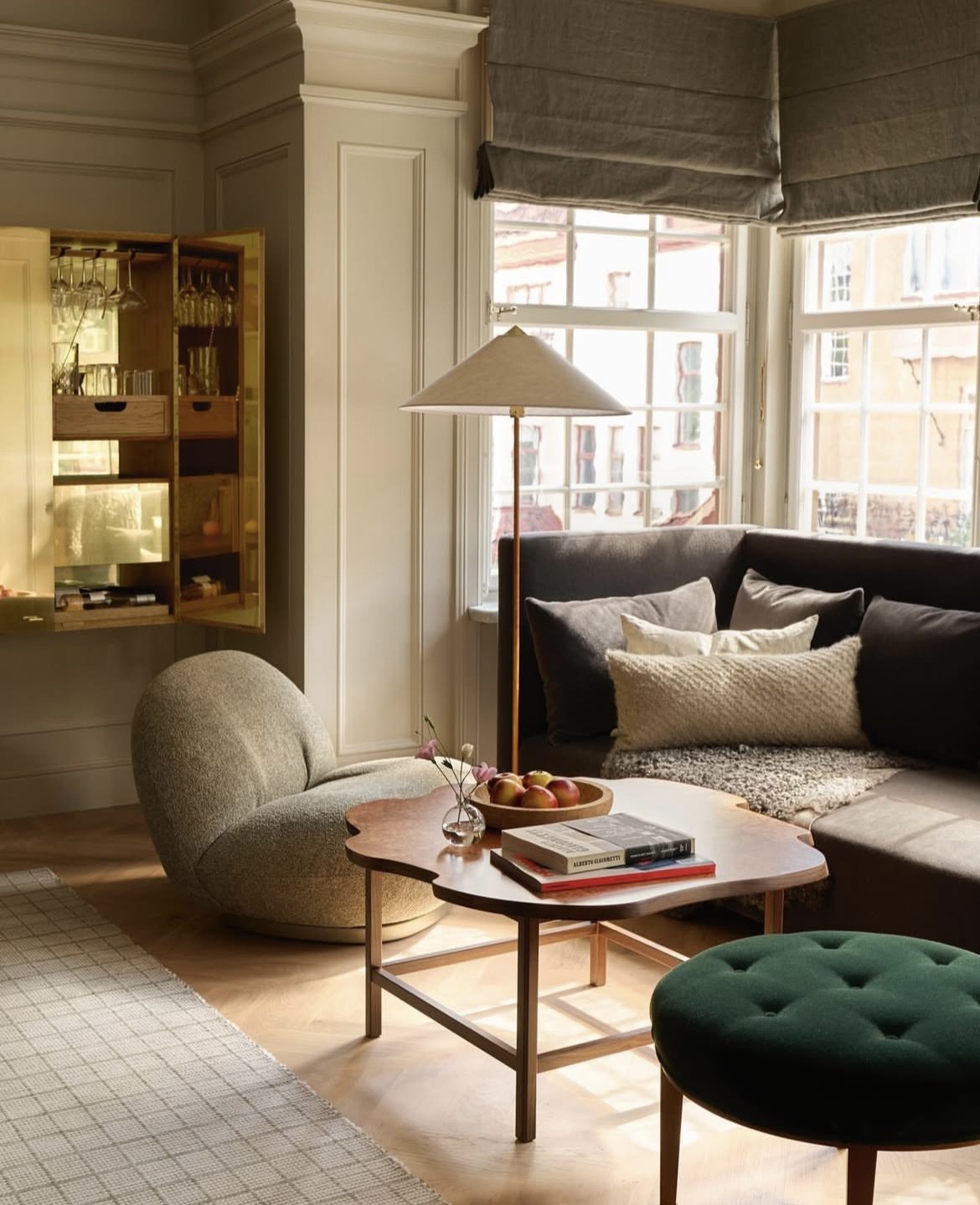
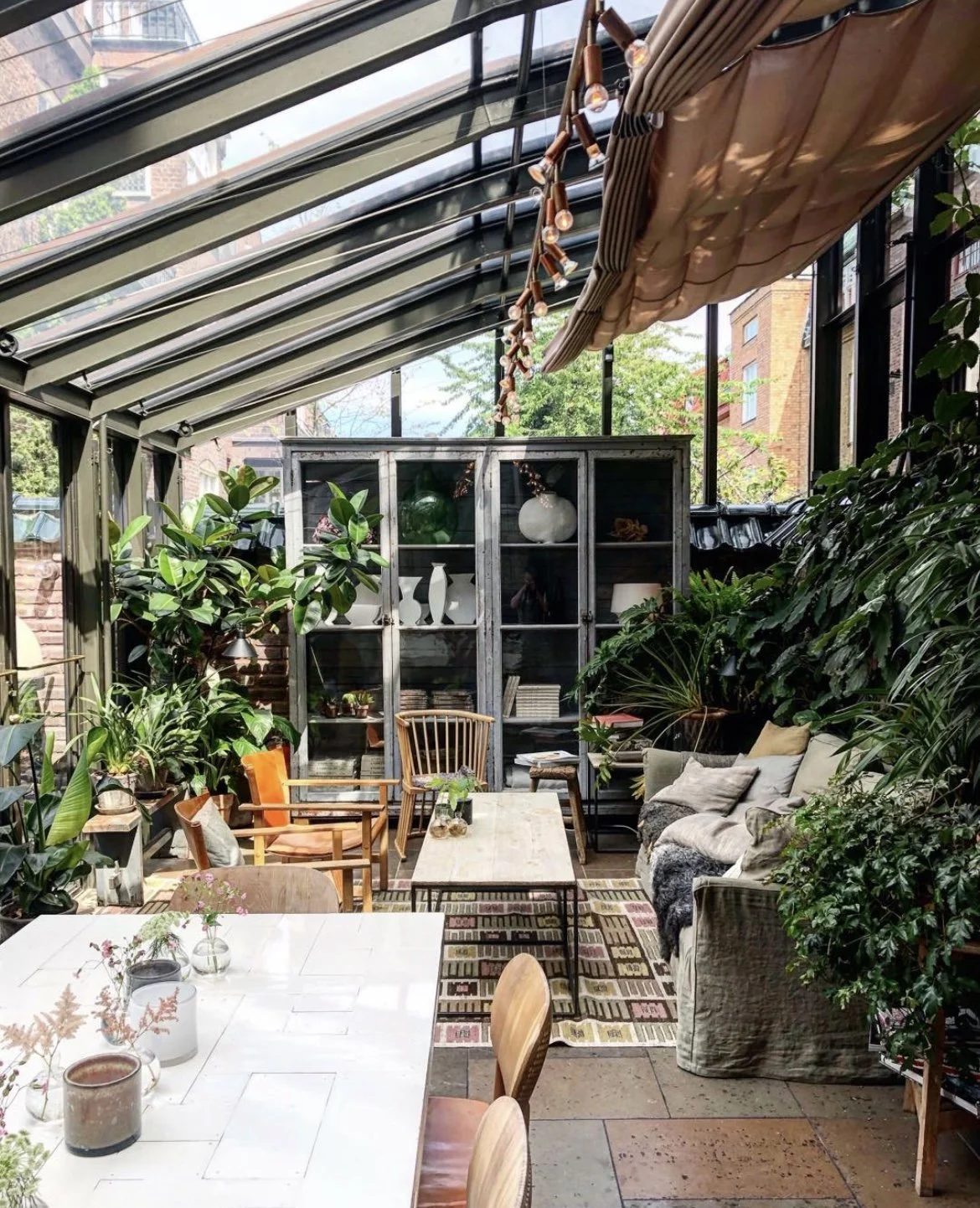
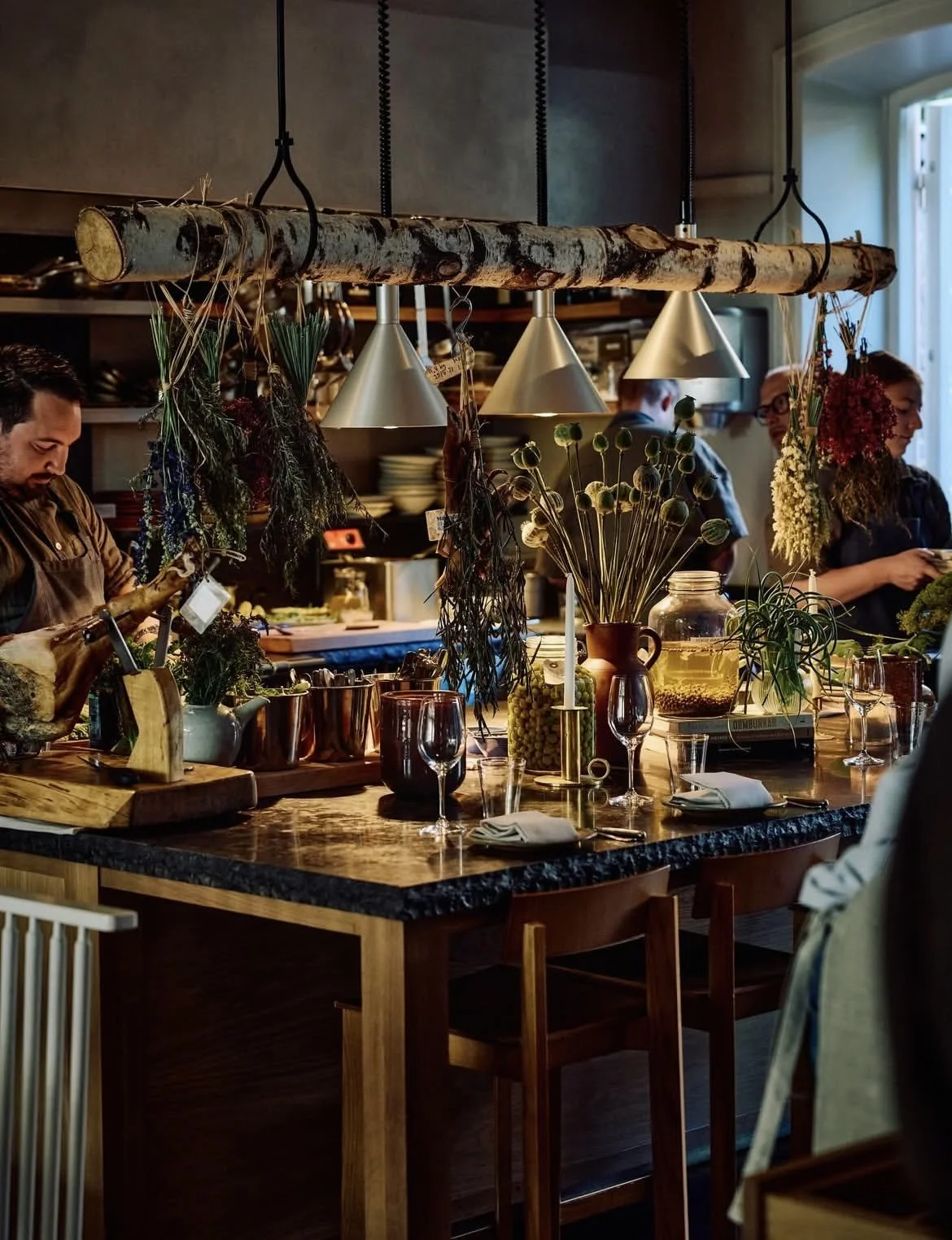
Source @etthemstockholm
Our role as strategists isn’t to stage-manage attention. It is to curate emotional truth. The next generation of hospitality leaders will understand that people don’t fall in love with brands for being “immersive.” They fall in love because they feel understood.
So if your hotel or brand is chasing “immersive experiences,” pause and ask instead:
What are we helping people feel?
That’s the work that lasts. That’s the work that converts curiosity into belonging.
And that’s where the future of hospitality lives - not in louder experiences, but in deeper meaning.
———————
Lutz & Co
We design the spaces and stories that people return to - emotionally and physically.